
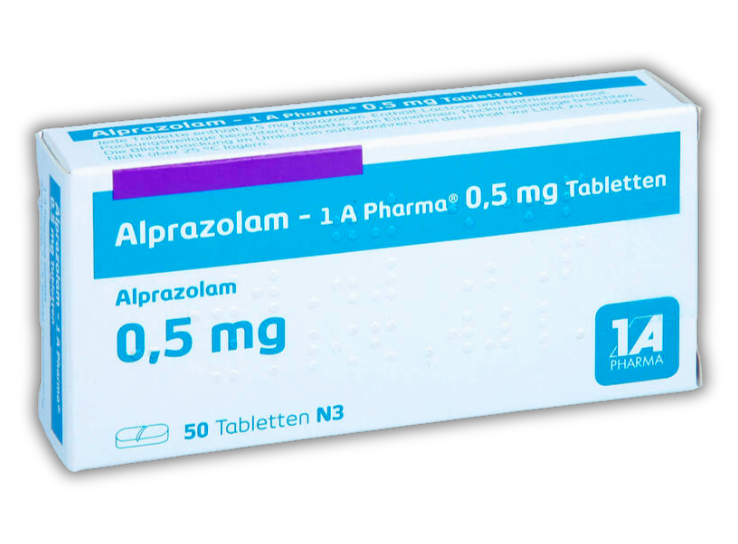
Description
Alprazolam stands out as one of the most prescribed medications for anxiety and panic disorders. Its safety and risk of misuse keep drawing scientific scrutiny.
This drug acts fast. It tweaks chemical signals in the brain that handle fear and stress.
Alprazolam boosts the calming effects of gamma-aminobutyric acid (GABA), dialing down overactive nervous system activity. If we get how this medication works—and where it falls short—we can use it better and more safely in practice.
Recent research shows alprazolam brings rapid relief for acute anxiety, but it comes with real risks. Dependence and withdrawal can show up even with medical use, and misuse is still a public health headache.
Scientists are digging into genetic factors, dosage habits, and alternative options to lower these risks while keeping the good stuff. In clinics, the focus stays on careful prescribing, clear patient education, and regular check-ins.
Key Takeaways
- Alprazolam quickly relieves anxiety by enhancing GABA activity in the brain.
- Dependence and withdrawal risks require cautious and informed use.
- Current research seeks safer prescribing methods and better risk management.
Pharmacological Properties and Mechanisms of Action
Alprazolam works as a central nervous system depressant. It interacts with inhibitory neurotransmitter systems and ramps up γ-aminobutyric acid (GABA) activity, binding to benzodiazepine family receptors.
This action influences neuronal excitability and how signals move between nerve cells. Alprazolam falls under the benzodiazepine class, more specifically the triazolobenzodiazepines.
Chemical Structure and Classification
It has a triazole ring fused to the usual benzodiazepine structure. That little tweak sets it apart from older drugs like diazepam.
This chemical change gives alprazolam its high potency and intermediate onset of action. Its molecular formula is C17H13ClN4.
Alprazolam shows up as a white crystalline powder that barely dissolves in water. As a lipophilic compound, it moves across the blood–brain barrier with ease.
Once in the body, the liver metabolizes it, mainly through the cytochrome P450 3A4 (CYP3A4) enzyme. The main breakdown products are α-hydroxyalprazolam and 4-hydroxyalprazolam.
| Property | Description |
|---|---|
| Chemical Class | Triazolobenzodiazepine |
| Molecular Formula | C17H13ClN4 |
| Metabolism | CYP3A4-mediated oxidation |
| Onset of Action | Intermediate |
| Solubility | Slight in water; high in lipids |
γ-Aminobutyric Acid Modulation
The main move alprazolam makes is boosting GABA, the brain’s top inhibitory neurotransmitter. By sticking to benzodiazepine recognition sites on the GABA_A receptor complex, alprazolam increases how often chloride channels open.
This causes membrane hyperpolarization and makes neurons less likely to fire. That’s how it quiets down overactive brain circuits tied to anxiety and panic.
Alprazolam doesn’t turn on GABA_A receptors by itself—it just amplifies GABA’s natural effect. So, the drug only works when GABA is already around.
With long-term use, the brain adapts. Receptor sensitivity shifts, which explains why people build up tolerance and get withdrawal when stopping.
Receptor Subtypes and Neural Pathways
Alprazolam targets GABA_A receptors with α2 and α3 subunits, which drive anxiolytic and muscle-relaxant effects. It hits α1 subunits less, so sedation and amnesia aren’t as strong if you stick to prescribed doses.
On the neural side, alprazolam modulates limbic system activity, especially in the amygdala and hippocampus. These brain regions handle emotion and stress.
Pharmacodynamic studies link receptor binding to the drug’s potency and fast anxiety relief. This interaction also feeds into its misuse potential by reinforcing effects in mesolimbic dopamine pathways.
Clinical Uses and Efficacy
Doctors prescribe alprazolam as a short-acting benzodiazepine, mainly for anxiety-related issues. It acts on central GABA(_A) receptors to bring anxiolytic and sedative effects, easing both mental and physical distress.
Controlled trials shape its clinical role, offering guidance on safe and effective use. Alprazolam is approved to manage panic disorder, with or without agoraphobia.
Treatment of Panic Disorder
It cuts down the frequency and intensity of panic attacks by calming abnormal limbic system activity. Studies show that short-term alprazolam monotherapy can kick in fast, sometimes within the first week.
People usually have fewer panic attacks and less anticipatory anxiety. Early trials adjusted doses from 1–10 mg daily to control symptoms while keeping sedation and dependence low.
Compared to placebo, alprazolam brings a statistically significant drop in panic severity scores. Most improvement happens in the first six to eight weeks.
But using it for longer than a few months? That’s tricky—tolerance and withdrawal risks creep in. Tapering slowly helps prevent rebound anxiety or a return of panic symptoms.
Efficacy in Generalised Anxiety Disorder
For generalised anxiety disorder (GAD), alprazolam provides short-term relief from constant worry, tension, and physical symptoms like restlessness. Its calming effect comes from boosting GABAergic inhibition in the brain’s cortex and limbic areas.
Clinical data say alprazolam works about as well as other benzodiazepines and older antidepressants, but it acts faster. Typical doses for GAD run from 0.25 mg to 4 mg daily, adjusted as needed.
People often see big drops in Hamilton Anxiety Rating Scale scores. Still, taking it longer than 12 weeks isn’t recommended because of tolerance and dependence risks.
For ongoing needs, doctors usually switch patients to cognitive behavioral therapy or longer-acting meds like SSRIs. Sometimes they combine strategies to keep symptoms in check and cut down on benzodiazepine use.
Therapeutic Comparisons with Other Benzodiazepines
Alprazolam is a high-potency benzodiazepine with a faster onset and shorter half-life than diazepam or clonazepam. That makes it handy for acute anxiety but raises the odds of withdrawal when stopping.
| Property | Alprazolam | Diazepam | Lorazepam |
|---|---|---|---|
| Potency | High | Moderate | High |
| Onset of action | Rapid | Intermediate | Intermediate |
| Elimination half-life | 11–16 h | 20–50 h | 10–20 h |
Direct comparisons suggest alprazolam matches or slightly outperforms other benzodiazepines for panic and anxiety symptoms. No clear long-term winner, though.
Doctors often favor longer-acting options for chronic treatment, since withdrawal and dosing are smoother. Alprazolam’s short half-life helps for quick relief but makes careful tapering essential to avoid rebound anxiety.
So, it’s best for short, targeted therapy where fast anxiety relief is needed and close monitoring is possible.
Adverse Effects, Safety Profile, and Misuse Potential
Alprazolam, as a short-acting benzodiazepine, affects the central nervous system by modulating GABA receptors. It’s well established for anxiety and panic, but it’s also tied to neurocognitive slowing, dependence, and misuse.
Data from pharmacovigilance reports and clinical studies point to cognitive, behavioral, and electrophysiological changes that can impact safety and treatment continuity.
Neurocognitive Impairment and Behavioural Effects
Alprazolam can dull attention, memory, and coordination by boosting GABAergic inhibition in brain circuits. Even a single dose can make you less alert or slow your reaction time.
Long-term use can chip away at executive function and slow how fast you process information. Patients often mention confusion, drowsiness, and disinhibition, raising the risk of accidents or impulsive moves.
Studies show these effects depend on dose and can stick around for hours after taking the drug. Cognitive function usually bounces back after stopping, but some people—especially older adults—might see lasting deficits.
Some folks get irritable or aggressive, maybe because of changes in limbic brain circuits. Keeping an eye out for subtle cognitive and behavioral changes is key during ongoing therapy.
Abuse, Dependence, and Withdrawal Syndromes
Alprazolam has a high risk for abuse and dependence compared to other benzodiazepines, partly because it’s absorbed quickly and leaves the body fast. Misuse often means taking higher doses or mixing with alcohol or opioids, which ramps up the danger.
Dependence can show up after just a few weeks of steady use. Withdrawal—think anxiety, tremor, weird perceptions, or even seizures—can hit hard if you quit suddenly.
Guidelines push for slow tapering to ease withdrawal. Reports from national databases highlight frequent cases of abuse, overdose, and withdrawal syndromes, sometimes even tied to suicide attempts.
All this underscores the need for careful prescription monitoring and making sure patients know how to use the drug safely.
Speech Impairment and Amnesia
Speech changes sometimes show up with alprazolam, but people don’t always report them. You might notice slurred words or slower speech because the drug affects how your brain controls movement and processes information.
These issues can start pretty soon after you take a dose. They can make talking at work or with friends a lot harder than usual.
Anterograde amnesia is another well-known effect of benzodiazepines. When alprazolam ramps up GABA activity in your hippocampus, your brain struggles to record new memories.
So, you might forget things that just happened or conversations you just had, even though you remember older events just fine.
Table: Common cognitive and speech-related adverse effects
| Effect | Clinical Feature | Frequency | Reversibility |
|---|---|---|---|
| Slurred speech | Impaired articulation | Occasional | Full upon discontinuation |
| Anterograde amnesia | Loss of new memory formation | Common | Partial recovery |
| Confusion | Disorientation, fatigue | Common | Variable |
Electroencephalogram Alterations
EEG studies pick up clear changes after someone takes alprazolam. Usually, you’ll see more beta-wave activity and less alpha amplitude, which fits with feeling sedated and less alert.
Small doses can slow things down in the frontal and temporal brain regions. Bigger doses might even dampen the theta and delta rhythms that help with thinking and focus.
Researchers rely on EEGs to measure how much a drug impacts the brain and to compare different benzodiazepines. If someone already has a neurological condition, these EEG changes might stack up and make things worse, so doctors need to keep a close eye on those patients.
Current Perspectives on Risk Management and Optimised Use
Managing alprazolam—a short-acting benzodiazepine for anxiety and panic—takes real structure. You need strategies to lower dependence, watch for side effects, and keep people safe.
Modern clinical practice leans heavily on controlled treatment time, frequent check-ins, and making sure patients actually understand what they’re taking. It’s all about lowering the odds of things going sideways, whether that’s misuse or rough withdrawals.
Duration of Therapy and Dependence Prevention
Doctors now try to keep treatment duration short to avoid dependence. Research shows that using it longer than 8–12 weeks ramps up the risk of tolerance and withdrawal issues.
If someone does need it longer, it’s best to plan a slow dose reduction from the start and check in at every visit.
Short courses, paired with non-drug options like cognitive behavioural therapy (CBT), work better for long-term anxiety management. Mixing therapy with brief medication use seems to cut down on relapses.
Older adults need extra caution, since their bodies clear the drug more slowly. That means higher risks of feeling groggy or even falling, so doses should be lower and checked often.
| Key Considerations | Clinical Actions |
|---|---|
| Maximum duration | 8–12 weeks preferred |
| Risk factors for dependence | Long-term use, high dosage, rapid discontinuation |
| Preventive measures | Tapering schedule, ongoing symptom review |
Patient Psychoeducation and Monitoring Practices
Good psychoeducation is key—patients should know why they’re taking alprazolam, what it can and can’t do, and how to use it safely. They need to hear about common side effects, drug interactions, and the real risk of dependence, even at normal doses.
Clear instructions about steering clear of alcohol or other sedatives can really help. Regular monitoring matters a lot, too.
Doctors should check for symptom relief, any changes in behaviour, and how well the patient sticks to the plan. Digital tools or checklists can catch early warning signs of trouble or withdrawal.
Family members can make monitoring more effective. They might spot mood swings, sleep problems, or odd medication habits before anyone else does.
Clinical Recommendations for Safer Prescribing
Guidelines say to start alprazolam at the lowest effective dose—usually 0.25–0.5 mg, two or three times a day for adults. Doses need to fit each person, especially if they have liver problems or take other sedatives.
Doctors should write down treatment goals and set review dates before starting. Using risk management frameworks like those in wider drug safety helps keep things on track.
When stopping alprazolam, it’s best to taper slowly—drop by 0.25 mg every 3–7 days. That way, withdrawal symptoms like rebound anxiety or insomnia don’t hit so hard.
Pharmacists can really help by checking adherence, spotting drug interactions, and offering tips for stopping safely.
Frequently Asked Questions
We’re still learning about alprazolam as new research digs into how it works in the brain, its long-term effectiveness for anxiety, and the risks with ongoing use. Studies now compare it to other benzodiazepines, look at dependence and withdrawal, and even explore new treatments for anxiety disorders.
What are the current scientific perspectives on the mechanism of action for Alprazolam?
Alprazolam is a short-acting benzodiazepine that boosts gamma-aminobutyric acid (GABA), the main chemical that calms the brain. It fits into the GABA(_A) receptor and makes GABA stick better to its spot.
That action dials down brain activity, so you feel calmer and less anxious. Imaging and receptor studies show alprazolam works fast and packs a punch because it binds well and your body absorbs it quickly.
How do recent clinical trials define the efficacy of Alprazolam for anxiety disorders?
Recent studies back up alprazolam’s short-term benefits for generalised anxiety disorder (GAD) and panic disorder. Most people notice real improvement within a week or two.
But, its long-term power drops off as your body gets used to it. That’s why guidelines usually call for short-term use and suggest pairing it with therapy or other non-drug options.
What are the recognised side effects and risks associated with long-term use of Alprazolam?
Taking alprazolam for a long time can lead to tolerance, dependence, and cognitive problems. People often feel drowsy, react more slowly, or have trouble focusing.
After stopping, withdrawal can bring back anxiety, cause insomnia, or trigger tremors. Older folks are more sensitive, so they might have more confusion or even fall.
Mixing alprazolam with opioids or alcohol is especially dangerous—it can slow breathing and become life-threatening.
How does Alprazolam compare with other benzodiazepines in terms of patient outcomes?
Alprazolam works faster than longer-acting drugs like diazepam or clonazepam, but it’s got a higher risk for abuse and withdrawal. Its short half-life means symptoms can bounce up and down between doses, which sometimes makes people want to take more.
With longer-acting benzodiazepines, symptoms usually stay steadier and withdrawal isn’t as rough. Most experts say to pick a drug based on how long you’ll need it, how well you handle side effects, and your specific situation—not just on strength.
What is the latest research on dependency and withdrawal symptoms related to Alprazolam?
Observational studies keep showing alprazolam tops the list for dependence and emergency visits among benzodiazepines. Its fast exit from the body and strong binding seem to make withdrawal worse than with other drugs in the group.
Experts stress the need for slow dose reduction and good support during withdrawal. Brain scans over time show some recovery after tapering, but lingering mood or memory issues can stick around for months.
Are there any novel therapeutic alternatives to Alprazolam being developed for managing anxiety?
Scientists are busy working on non-benzodiazepine anxiolytics that could lower anxiety without the same risk of dependence. Some of the most interesting examples target the GABA(_B) or serotonergic systems.
Researchers are also exploring neurosteroid-based agents, which modulate GABA receptors in a different way than benzodiazepines. Honestly, these new compounds sound pretty promising, but it’s still early days.
Digital therapeutics and neurostimulation are getting a lot of attention too. They focus on improving safety and reducing sedation, while supporting long-term treatment alongside behavioral therapies.