
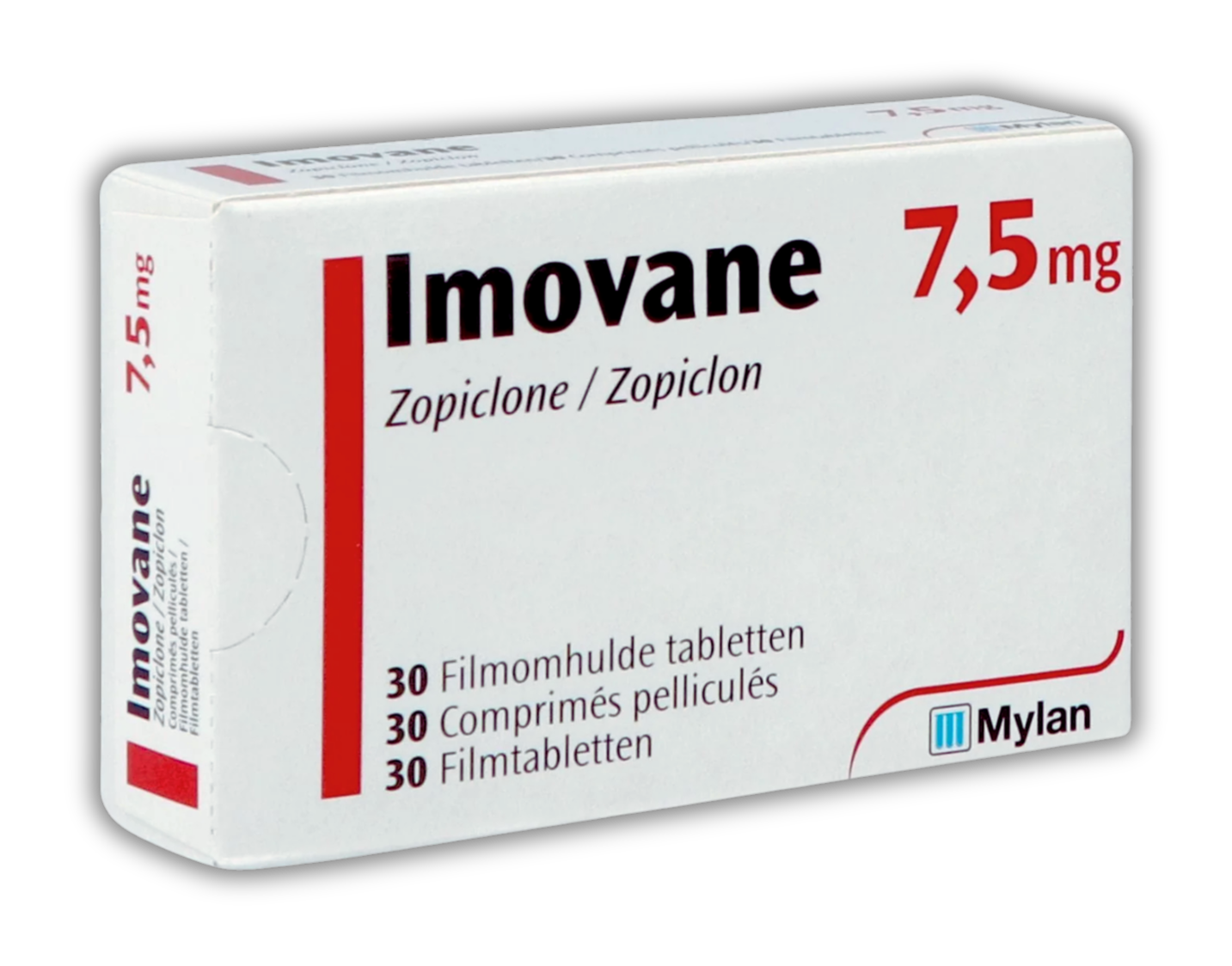
Description
Zopiclone stands out as one of the most prescribed sleep medications worldwide. People value it for how quickly it helps them fall asleep and for the improvement in overall sleep quality.
Approved in the 1980s as a non-benzodiazepine hypnotic, zopiclone targets the same brain pathways as benzodiazepines but is generally recommended for shorter treatment periods. It promotes restful sleep by boosting the brain’s natural inhibition process through the GABA receptor system.
Recent studies have looked closely at its safety, especially for older adults and those taking it long-term. While it works well for short-term insomnia, research points to risks like dependence, tolerance, next-day drowsiness, and even reduced cognitive function if people use it for too long.
Reports of nonmedical use are on the rise. This suggests we need to be a bit more aware about using it responsibly and considering safer alternatives for managing sleep disorders.
Key Takeaways
- Zopiclone supports short-term management of insomnia by improving sleep onset and duration
- Long-term or excessive use can lead to tolerance, dependence, and withdrawal effects
- Careful prescription and monitoring improve safety and overall sleep outcomes
Pharmacology and Mechanism of Action
Zopiclone works as a short-term insomnia treatment by interacting with specific neurotransmitter systems in the brain. It brings on sedative and hypnotic effects by boosting inhibitory signalling in the central nervous system, which helps people fall asleep faster and stay asleep longer.
Pharmacokinetics and Pharmacodynamics
After you take zopiclone by mouth, your body absorbs it pretty quickly. Peak plasma concentrations show up within 1 to 2 hours.
The drug’s bioavailability sits at about 75–80%, and eating doesn’t really change how your body absorbs it. Zopiclone binds moderately to plasma proteins (about 45%) and spreads throughout body tissues, including the brain.
Your liver metabolizes zopiclone mainly through cytochrome P450 3A4 (CYP3A4) enzymes. It breaks down into active N-desmethylzopiclone and inactive metabolites, which you mostly excrete in urine.
The average elimination half-life is between 3 and 6 hours. This allows for nightly dosing without much risk of next-day accumulation.
Pharmacodynamically, zopiclone acts as a non-benzodiazepine hypnotic that binds to the benzodiazepine site on the GABA_A receptor complex. This boosts the effect of gamma-aminobutyric acid (GABA), increases chloride ion influx, and hyperpolarizes neuronal membranes. In plain terms, it calms brain activity and promotes sleep.
Unlike benzodiazepines, zopiclone doesn’t really have much muscle relaxant or anticonvulsant activity.
Comparison with Other Hypnotic Drugs
Zopiclone isn’t quite like classic benzodiazepines such as temazepam. The structure and receptor selectivity are different.
Both work on GABA_A receptors, but zopiclone belongs to the cyclopyrrolone class. This means fewer lingering sedative effects and a lower risk of dependence—at least when used short-term.
If you compare it to zolpidem and zaleplon, the other non-benzodiazepine “Z-drugs,” zopiclone has a slightly longer half-life. So, it keeps people asleep a bit longer, but there’s a greater chance of feeling groggy in the morning.
Zolpidem binds more selectively to the α1 subunit of GABA_A receptors, while zopiclone binds less selectively. That difference shapes how they work in real life.
The pharmacological distinction can be summed up like this:
| Drug Name | Chemical Class | Approx. Half-life | Receptor Selectivity | Common Use Duration |
|---|---|---|---|---|
| Zopiclone | Cyclopyrrolone | 3–6 hours | Moderate (α1–α5) | Short term (≤4 weeks) |
| Zolpidem | Imidazopyridine | 2–3 hours | High (α1) | Short term (≤4 weeks) |
| Temazepam | Benzodiazepine | 8–12 hours | Broad (α1–α5) | Short to medium term |
Zopiclone’s kinetic profile helps people get to sleep and wake up quicker than with older hypnotics.
Clinical Efficacy in the Treatment of Insomnia
Zopiclone is a short-acting hypnotic that’s been shown to improve both falling asleep and staying asleep in adults with insomnia. Controlled studies have compared it to placebo and other sleep medicines, showing measurable benefits for both chronic and short-term sleep disorders.
Randomised Controlled Trials and Evidence
Clinical trials show that zopiclone improves sleep parameters like sleep onset latency, total sleep time, and wake after sleep onset. Polysomnography studies report that the drug increases total sleep by 30–60 minutes and cuts down the time it takes to fall asleep by about 20–30 minutes.
Multiple randomised controlled trials (RCTs) show zopiclone is about as effective as other Z-drugs like zolpidem, though it might be a little better at reducing nighttime awakenings. Most people notice the benefits within one or two nights.
Most RCTs focus on short-term use, since tolerance and next-day grogginess can show up after more than four weeks of continuous treatment. So, it’s mainly for brief bouts of insomnia rather than something you’d take long-term.
Zopiclone Versus Placebo in Sleep Disorders
Compared with placebo, zopiclone consistently delivers better results in both objective and subjective sleep measures. People taking zopiclone report better sleep quality, fewer awakenings, and less trouble getting to sleep.
Objective data back this up. EEG recordings show zopiclone shortens stage 1 sleep and increases stage 2 non-REM sleep, but it doesn’t really change REM sleep. Placebo groups often keep having fragmented sleep and shorter total sleep time.
Table: Summary of placebo-controlled findings
| Parameter | Zopiclone | Placebo |
|---|---|---|
| Sleep latency | ↓ 20–30 min | No change |
| Total sleep time | ↑ 30–60 min | Minimal change |
| Sleep efficiency | ↑ 10–15% | Stable |
| Next-day sedation | Mild, dose-related | None |
Impact on Quality of Life and Sleep Parameters
Zopiclone can improve both objective sleep measures and how people feel about their sleep. Its clinical use targets falling asleep faster and getting more total sleep, without much next-day grogginess if you use it as directed.
Effects on Sleep Quality and Onset Latency
Zopiclone acts as a non-benzodiazepine hypnotic that boosts GABA activity, helping people relax and drift off sooner. Studies show sleep onset latency often drops within the first few nights.
Many patients say they sleep more soundly, wake up less at night, and feel more rested in the morning. Polysomnographic data show modest increases in total sleep time and sleep efficiency, especially with short-term use.
Rapid tolerance can develop if you take it too long, so guidelines suggest keeping treatment brief to keep it working and avoid dependence.
Against placebo, zopiclone significantly cuts down sleep fragmentation and boosts subjective sleep quality scores. Side effects like metallic taste or mild morning sedation pop up for some, but they’re usually short-lived and related to dose.
Improvements in Patient Quality of Life
Better sleep with zopiclone often leads to improved daytime functioning and health-related quality of life (HRQoL). People report more stable moods, sharper focus, and less fatigue when sleep improves.
Clinical evaluations using tools like the EuroQol-5D or SF-36 show real improvements in vitality and social functioning after short-term therapy. Better sleep patterns also mean fewer daytime issues like irritability or brain fog.
That said, improvements depend on sticking to proper dosing, following instructions, and treating any underlying sleep problems. Long-term use should be avoided to keep tolerance at bay, and it’s best to combine medication with behavioral strategies for lasting results.
Safety, Tolerability, and Adverse Effects
Zopiclone’s safety profile is similar to other short-acting hypnotics. How well people tolerate it depends on dose, how long they take it, and individual factors like age or other meds.
Mild effects are common early on, while risks like dependence usually show up with longer or heavier use.
Common Adverse Effects: Fatigue, Headache, Dizziness
The most common side effects come from its sedative action on the central nervous system. Fatigue, headache, and dizziness usually show up in the first few days.
These symptoms tend to fade as the body gets used to the medication. Clinical studies say about 10 % of users notice a metallic taste or mild drowsiness the next morning.
Older adults are more likely to feel off-balance, have memory changes, or wake up groggy since their bodies clear the drug more slowly.
| Symptom | Approximate Frequency | Notes |
|---|---|---|
| Fatigue | Common | Often resolves after several nights of use |
| Headache | Common | Usually mild and short-term |
| Dizziness | Common | May affect driving or operating machinery |
It’s smart to avoid alcohol or other sedatives while taking zopiclone. Mixing them can make drowsiness and loss of coordination worse.
Dependence and Risk of Misuse
Dependence can happen if you take zopiclone longer than four weeks or at higher doses than prescribed. Tolerance sometimes develops, so people need more of the drug to get the same effect.
Withdrawal—like anxiety, agitation, or rebound insomnia—is uncommon at normal doses but can pop up if you stop suddenly.
Misuse is more likely in people with a history of substance or alcohol dependence. Doctors need to keep an eye on these patients. Reports of recreational use are rare but do happen, so it’s not something to ignore.
Gradually reducing the dose with a doctor’s help lowers withdrawal risks and helps keep sleep stable when stopping.
Current Challenges and Considerations in Long-Term Use
Long-term use of zopiclone brings up medical and ethical questions. There’s a real need to balance relief from chronic insomnia with risks like tolerance, dependence, cognitive decline, and daytime impairment.
Use in Special Populations: Older Adults and Cancer Patients
Older adults break down drugs more slowly and react more strongly to sedatives. That means they’re at higher risk for falls, confusion, and memory slips.
Even small doses can mess with coordination and attention the next day, according to clinical studies. Most guidelines suggest keeping zopiclone use brief in this group.
For cancer patients, sleep issues often come from pain, side effects, or just the stress of treatment. Zopiclone might help them sleep longer, but using it for too long—especially with opioids or chemo—can make things messier.
These combinations can sap energy and slow recovery. Many doctors prefer to start with non-drug options like cognitive behavioural therapy for insomnia (CBT‑I) before reaching for zopiclone.
Staying alert for early signs of dependence or withdrawal, like rebound insomnia or anxiety, is key when using these meds.
Key Risks in Special Populations
| Population | Main Concern | Recommended Action |
|---|---|---|
| Older adults | Falls, cognitive decline | Use lowest effective dose, short-term only |
| Cancer patients | Drug interactions, sedation | Combine with non-drug sleep interventions |
Clinical Guidelines and Future Directions
Most clinical guidelines, including those from NICE, say zopiclone should only be used for short-term management of insomnia—usually less than four weeks. Controlled trials haven’t found lasting benefits from using it longer, and the risk of dependence only goes up.
Researchers are looking into how gradual withdrawal plans and behavioural therapies can help people get better sleep long-term. Teaching patients about good sleep habits and the limits of sleeping pills seems to help them cut down safely.
Looking ahead, there’s a push for precision prescribing based on genetics and metabolism. Maybe someday, doctors will know ahead of time who’ll get the most benefit with the fewest side effects.
There’s also ongoing work on new compounds that work like zopiclone but don’t cause as much tolerance or withdrawal. It’s a promising direction for safer, more tailored insomnia care, but we’re not quite there yet.
Frequently Asked Questions
Researchers have been digging into zopiclone’s clinical value, safety, and how it actually behaves in the body when treating insomnia. They’re looking at how well it improves sleep, what happens with long-term use, genetic quirks in response, and even new ways to deliver the drug.
What are the latest findings on the efficacy of Zopiclone for managing insomnia?
Recent reviews show zopiclone helps people fall asleep faster and wake up less during the night. It also seems to boost total sleep time and how people rate their own sleep quality, even in older adults.
Most studies are small and short, so the evidence isn’t perfect. Still, zopiclone looks effective for short-term use if a doctor keeps an eye on things.
How does Zopiclone compare to other sleep medications in terms of safety and side effects?
Zopiclone works on GABA receptors, a bit like benzodiazepines, but it’s less likely to cause dependency or tough withdrawals. At recommended doses, most people tolerate it well and it doesn’t mess with muscle tone or coordination as much.
Common side effects? Bitter or metallic taste, dry mouth, and sometimes a bit of next-day grogginess. Compared to other non-benzodiazepine “Z-drugs,” zopiclone sits in the middle for how long it lasts and how safe it is.
What is the impact of long-term Zopiclone use on cognitive and mental health?
Using it for a long time can lead to tolerance or psychological dependence. Some studies have linked long-term use to mild attention problems and cognitive slowing, especially in older folks.
Quitting after chronic use might make sleep or mood worse for a bit, but this isn’t as common as with traditional benzodiazepines.
Are there any innovative drug delivery systems for Zopiclone that enhance its therapeutic profile?
There’s a lot of buzz around extended-release tablets, sublingual forms, and even nanotech-based systems to keep blood levels steady overnight. The hope is to cut down on early morning wake-ups and reduce next-day drowsiness.
Some experimental versions aim for controlled release, so people with slower metabolism don’t need higher doses. But right now, standard oral tablets are still the norm in clinics.
What potential risks should be considered when prescribing Zopiclone to elderly patients?
Older adults are just more sensitive to zopiclone’s sedative and psychomotor effects. That means more chance of falls, confusion, and shaky coordination.
Doctors usually start with lower doses, like 3.75 mg, to keep side effects down. Checking in regularly helps avoid unnecessary long-term use or dependency.
How do genetic factors influence the metabolism and effectiveness of Zopiclone?
Zopiclone gets broken down in the liver, mostly by the enzyme CYP3A4. CYP2C8 also plays a smaller role in this process.
People have different versions of these enzymes because of their genes. These differences can change how quickly someone clears the drug, which might make them more sensitive or prone to side effects.
There’s not a ton of pharmacogenetic research on zopiclone yet. Still, figuring out these genetic quirks could help doctors tweak doses and make treatment safer down the line.